
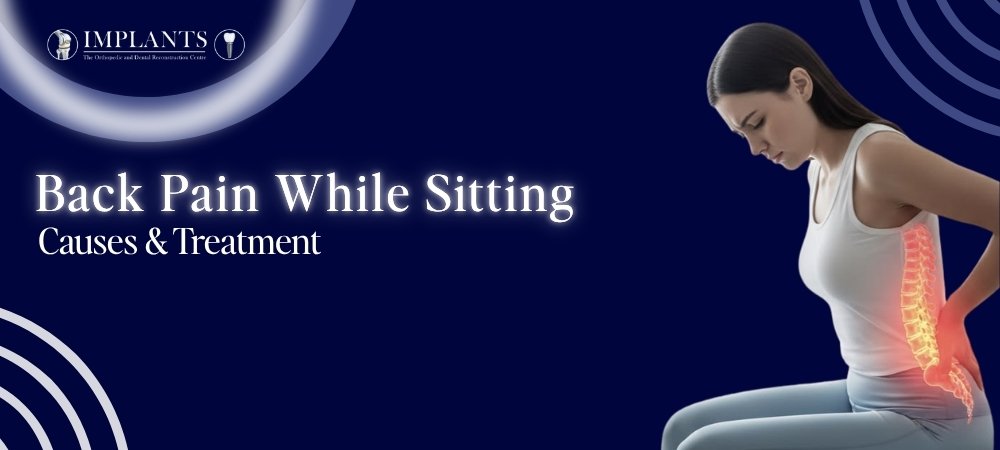
Back Pain has become one of the most common health problems among office workers, students, drivers, and people who sit for long hours every day. Many people ignore mild Back Pain in the beginning, but over time it can become severe and affect daily life. Continuous sitting can put pressure on the spine, muscles, and nerves, leading to discomfort, stiffness, and even slip disc problems.
According to Dr Shoaib Qureshi, prolonged sitting without proper posture is one of the major reasons people experience Back Pain today. Whether you work on a laptop, travel daily, or spend hours watching television, your spine can slowly get affected if you do not maintain proper sitting habits.
If your Back Pain is becoming frequent, it is important to seek professional help. Early diagnosis and proper Slip Disc Treatment in Indore can help prevent serious spine complications and improve your quality of life. Many patients trust Dr Shoaib Qureshi because he is known as the Best Orthopedic Doctor in Indore for treating spine-related conditions with personalized care.
Why Does Back Pain Increase While Sitting?
When a person sits continuously, the pressure on the lower spine increases more than standing. Poor posture, weak muscles, and lack of movement can strain the spinal discs and muscles. This is why many people experience Back Pain after long office hours.
If ignored for a long time, Back Pain may develop into nerve compression or disc-related problems that require Slip Disc Treatment in Indore.
Dr Shoaib Qureshi explains that many patients visit the clinic with severe Back Pain because they ignored early warning signs. Consulting the Best Orthopedic Doctor in Indore at the right time can help avoid surgery and long-term discomfort.
Common reasons why sitting causes Back Pain include:
- Poor posture
- Weak core muscles
- Incorrect chair height
- Lack of physical activity
- Long working hours
- Obesity
- Muscle stiffness
- Spinal disc pressure
Common Causes of Back Pain While Sitting
Back Pain while sitting is commonly caused by poor posture, long working hours, weak back muscles, lack of physical activity, and improper chair support. Sitting continuously for extended periods puts extra pressure on the spine and spinal discs, which can lead to stiffness, muscle strain, and discomfort. In some cases, ignoring chronic Back Pain may increase the risk of slip disc problems, making early consultation and proper Slip Disc Treatment in Indore important for maintaining good spinal health.
Poor Sitting Posture
Poor posture is one of the biggest reasons for Back Pain. Slouching forward while working on a computer puts extra stress on the spine and muscles.
When posture remains poor for months or years, the spinal discs can become weak and damaged. This may eventually require Slip Disc Treatment in Indore for pain relief and recovery.
Dr Shoaib Qureshi advises patients to sit with a straight back and proper lumbar support to reduce Back Pain naturally.
Long Office Hours
Office workers often sit for 8 to 10 hours daily. This reduces blood circulation and increases stiffness in the back muscles.
Many IT professionals and desk workers visit the Best Orthopedic Doctor in Indore because prolonged sitting has caused severe Back Pain and spinal stress.
Taking short walking breaks every 30 minutes can help reduce Back Pain significantly.
Weak Core Muscles
Weak abdominal and back muscles cannot support the spine properly. This increases pressure on spinal discs and causes chronic Back Pain.
In severe cases, patients may develop a slipped disc and require advanced Slip Disc Treatment in Indore for proper recovery.
Obesity and Weight Gain
Excess body weight increases pressure on the spine and lower back. People who are overweight often experience constant Back Pain while sitting, walking, or sleeping.
Dr Shoaib Qureshi recommends maintaining a healthy weight to reduce stress on the spine and avoid the need for Slip Disc Treatment in Indore later.

Symptoms That Should Not Be Ignored
Back Pain symptoms can vary from mild discomfort to severe nerve pain. Ignoring these symptoms may worsen spinal health.
If you experience these symptoms regularly, consult the Best Orthopedic Doctor in Indore for proper diagnosis and treatment.
Early Slip Disc Treatment in Indore can help prevent complications and improve mobility.
Common symptoms include:
- Lower Back Pain
- Sharp pain while standing
- Muscle stiffness
- Pain while bending
- Burning sensation in legs
- Numbness in feet
- Tingling sensation
- Difficulty sitting for long periods
Can Sitting Cause a Slip Disc?
Yes, continuous sitting with poor posture can increase the risk of a slipped disc. The spinal discs act like cushions between the bones of the spine. When too much pressure is placed on them, they can bulge or slip.
A slipped disc can cause severe Back Pain, nerve compression, leg pain, and weakness.
Dr Shoaib Qureshi provides advanced Slip Disc Treatment in Indore for patients suffering from disc-related Back Pain and spinal problems.
Many patients search for the Best Orthopedic Doctor in Indore when their Back Pain becomes unbearable due to disc damage.
How Back Pain is Diagnosed Properly
Proper diagnosis is important to identify the exact cause of Back Pain and provide the right treatment plan. Early evaluation can help prevent severe spine problems and reduce the need for advanced procedures later.
After diagnosis, the most suitable Slip Disc Treatment in Indore is recommended based on the patient’s condition.
Patients trust Dr Shoaib Qureshi because he is considered the Best Orthopedic Doctor in Indore for personalized orthopedic care.
Physical Examination
A physical examination helps evaluate posture, spinal movement, flexibility, and muscle strength to identify the root cause of Back Pain. During the assessment, stiffness, swelling, tenderness, and nerve-related discomfort are carefully checked. The examination also helps understand how sitting, bending, walking, or daily movements are affecting the spine and contributing to ongoing Back Pain symptoms.
X-Ray
An X-ray examination helps assess the alignment and structure of the spine. It is useful for detecting bone-related problems such as arthritis, spinal degeneration, fractures, or posture-related issues that may contribute to chronic Back Pain. This imaging method helps doctors understand the overall condition of the spine before starting treatment.
MRI Scan
An MRI scan provides detailed images of the spinal discs, nerves, muscles, and soft tissues. It is highly effective for diagnosing slipped discs, nerve compression, and severe spine-related conditions causing persistent Back Pain. MRI findings also help in planning proper Slip Disc Treatment in Indore based on the severity of the condition.
Medical History Review
Reviewing medical history helps understand how long the Back Pain has been present and whether it is linked to lifestyle habits, previous injuries, work posture, or existing spine conditions. Information about daily activities, sitting duration, and pain patterns helps in identifying the exact cause of discomfort and planning the most suitable treatment approach.
Nerve Function Testing
Nerve function testing helps evaluate symptoms like numbness, tingling, weakness, or burning sensations associated with severe Back Pain. These tests help determine whether spinal nerves are compressed or damaged and support accurate diagnosis for long-term spine and nerve care.
Effective Slip Disc Treatment in Indore
Medications
Medications are often recommended in the early stages of Back Pain and slip disc problems to help reduce inflammation, muscle stiffness, and discomfort. Pain-relieving medicines and muscle relaxants can provide temporary relief and make daily activities easier for patients who struggle with sitting, walking, or sleeping due to severe Back Pain. In many cases, proper medication management combined with rest and posture correction helps control symptoms effectively. However, medicines should always be taken under medical supervision because long-term self-medication may lead to side effects and may not treat the actual cause of the problem.
Physiotherapy
Physiotherapy plays an important role in non-surgical Slip Disc Treatment in Indore because it helps strengthen the muscles supporting the spine and improves flexibility. A structured physiotherapy program includes stretching exercises, posture correction techniques, muscle strengthening, and mobility training to reduce pressure on the spinal discs. Regular physiotherapy sessions not only help relieve Back Pain but also improve balance, movement, and spinal stability over time. Patients who follow physiotherapy consistently often experience better long-term recovery and reduced chances of recurring Back Pain caused by prolonged sitting or poor posture.
Lifestyle Changes
Simple lifestyle changes can make a major difference in managing chronic Back Pain and preventing further spine damage. Maintaining correct sitting posture, avoiding long sitting hours, using ergonomic chairs, exercising regularly, and maintaining a healthy body weight are all important for spinal health. People who spend long hours working on computers or driving should take regular breaks to stretch and move around. Healthy lifestyle habits help reduce pressure on spinal discs and support faster recovery during Slip Disc Treatment in Indore. These daily improvements can also help prevent future episodes of severe Back Pain.
Advanced Non-Surgical Treatments
Modern orthopedic care offers several advanced non-surgical options for patients suffering from persistent Back Pain and slip disc conditions. Treatments such as spine rehabilitation programs, pain management therapies, and targeted injections can help reduce inflammation and nerve irritation without surgery. These treatments are often recommended for patients who do not respond well to medication or physiotherapy alone. Advanced non-surgical methods aim to improve mobility, reduce pain, and help patients return to their normal routine comfortably. Many patients choose these options because they provide effective relief while minimizing recovery time.
Surgical Treatment

Preventing Back Pain while sitting mainly depends on maintaining proper posture and healthy daily habits. Sitting with a straight spine, using ergonomic chairs, taking regular breaks, stretching frequently, and avoiding long hours in the same position can help reduce pressure on the back muscles and spinal discs. Regular exercise, maintaining a healthy weight, and proper workstation setup also play an important role in preventing chronic Back Pain caused by prolonged sitting.
Maintain Correct Posture
Maintaining the correct sitting posture is one of the most effective ways to prevent Back Pain caused by long sitting hours. While sitting, the spine should remain straight, shoulders should stay relaxed, and both feet should rest flat on the floor. Poor posture, such as slouching forward or bending the neck for long periods, increases pressure on the lower back and spinal discs. Over time, this may lead to muscle strain, stiffness, and chronic Back Pain. Using proper posture throughout the day helps maintain spinal alignment and reduces unnecessary stress on the back muscles.
Use Ergonomic Furniture
Using ergonomic chairs with proper back and lumbar support can significantly help in reducing Back Pain during office work or long sitting periods. A well-designed chair supports the natural curve of the spine and helps maintain a comfortable sitting position for extended hours. Chairs with adjustable height and back support reduce pressure on the lower spine and improve overall posture. Proper workstation setup, including desk height and screen position, also plays an important role in preventing Back Pain related to poor sitting habits.
Take Frequent Breaks
Sitting continuously for several hours can cause stiffness, poor blood circulation, and increased pressure on spinal discs, which may worsen Back Pain over time. Taking short breaks every 30 to 40 minutes helps relax the muscles and improves body movement. Simple activities like standing, stretching, or walking for a few minutes can reduce muscle tension and support spinal flexibility. Regular movement during work hours helps prevent prolonged stress on the back and lowers the risk of chronic Back Pain.
Exercise Regularly
Regular physical activity is important for maintaining strong muscles and a healthy spine. Exercises such as walking, stretching, yoga, and core strengthening help improve flexibility, posture, and spinal support. Strong back and abdominal muscles reduce pressure on the spine and help prevent recurring Back Pain caused by prolonged sitting or weak muscle support. Daily exercise also improves blood circulation and keeps the joints and muscles active, which supports long-term spine health.
Avoid Slouching
Continuous sitting without movement puts excessive pressure on the lower back and spinal discs, increasing the chances of developing chronic Back Pain and posture-related problems. People who work long hours at desks or computers should avoid remaining seated in the same position for extended periods. Changing sitting positions, standing occasionally, and including movement throughout the day can help reduce stress on the spine. Maintaining an active routine is essential for preventing stiffness and reducing the risk of severe Back Pain.
Maintain a Healthy Weight
Maintaining a healthy body weight is important for reducing stress on the spine and preventing Back Pain. Excess weight, especially around the abdomen, places additional pressure on the lower back and can affect posture and spinal alignment. Over time, this extra strain may increase the risk of disc-related problems and chronic Back Pain. Following a balanced diet, staying physically active, and managing weight properly can help improve overall spine health and reduce discomfort during daily activities.
Daily Habits That Can Worsen Back Pain
Ignoring these habits may increase spinal damage and lead to the need for Slip Disc Treatment in Indore.
Visiting the Best Orthopedic Doctor in Indore at the right time can help identify these issues early.
Some daily habits unknowingly increase Back Pain over time.
These include:
- Sitting continuously
- Using mobile phones for long hours
- Sleeping in incorrect positions
- Carrying heavy bags
- Lack of exercise


When Should You Visit an Orthopedic Doctor?
You should consult Dr Shoaib Qureshi if:
- Back Pain lasts more than 2 weeks
- Pain spreads to legs
- Sitting becomes difficult
- Numbness develops
- Walking becomes painful
- Pain affects sleep
Early medical care can prevent complications and improve recovery through proper Slip Disc Treatment in Indore.
FAQs About Back Pain While Sitting
Why do I get Back Pain while sitting for long hours?
Long sitting hours increase pressure on the spine and muscles, leading to stiffness and Back Pain.
Can poor posture cause a slip disc?
Yes, poor posture over time can weaken spinal discs and increase the risk of requiring Slip Disc Treatment in Indore.
Who is the Best Orthopedic Doctor in Indore for Back Pain?
Dr Shoaib Qureshi is trusted by many patients for comprehensive Back Pain and spine care treatment.
Is surgery necessary for slip disc treatment?
Not always. Many patients recover through physiotherapy, medication, and lifestyle modifications.
How can I prevent Back Pain while working in office?
Maintain proper posture, use ergonomic chairs, take breaks, and exercise regularly.
When should I seek medical help for Back Pain?
If your Back Pain becomes severe, persistent, or affects movement, consult an orthopedic specialist immediately.
Can exercise reduce Back Pain?
Yes, regular stretching and strengthening exercises help reduce Back Pain and improve spinal health.
Is physiotherapy effective for slip disc problems?
Yes, physiotherapy is highly effective and commonly recommended during Slip Disc Treatment in Indore.
What are the symptoms of a slipped disc?
Common symptoms include severe Back Pain, numbness, tingling, leg pain, and weakness.
Why is Dr Shoaib Qureshi considered the Best Orthopedic Doctor in Indore?
Patients appreciate his personalized treatment plans, detailed diagnosis, and focus on long-term orthopedic care.